


Table of Contents
- What to Look for When Buying Graded Cards Online
- Understanding Grading Scales and Conditions
- The Difference Between PSA, BGS, and CGC Grading
- How to Verify PSA Card Serial Numbers and Authenticity
- Tips for Buying Graded Cards on eBay and Other Marketplaces
- Avoiding Counterfeit Slabs: Detection and Prevention
- Investment vs. Collecting: Finding Your Best Online Store
- Frequently Asked Questions
Last Updated: September 3, 2026
What to Look for When Buying Graded Cards Online
Finding the right online store for graded cards means trusting both the retailer and the grading company's work inside the slab. A reputable store verifies authenticity before sale, packs cards with museum-quality care, and provides complete transparency about condition and provenance.
The best online stores share three core qualities: they verify every slab's authenticity before sale, pack cards with exceptional care, and answer questions about condition, grading, and value before checkout. Look for stores that display high-resolution photos of both front and back, show exact centering and surface quality, and list the grading company and grade number prominently. Avoid vague listings or stock photos. The best retailers treat transparency as a competitive advantage.
Understanding Grading Scales and Conditions
Grading scales are the standardized language collectors use to communicate condition. The scale runs from 1 to 10, with descriptors that matter more than the number itself.
A PSA 10 GEM Mint card is flawless or near-flawless, with sharp corners, pristine edges, perfect centering, and immaculate surface. A PSA 9 MINT card has minimal wear visible only under close inspection. A PSA 8 NM-MT shows light wear but retains strong eye appeal. A PSA 7 NM has noticeable wear but no major flaws. Below that, grades 6 and lower indicate visible damage or centering issues that significantly affect value.

Condition grade is not subjective opinion, it's a standardized assessment based on corners, edges, centering, and surface quality. When you buy a PSA 8 card, you're buying a card that meets specific criteria. Understanding these grades helps you make smarter purchasing decisions. A PSA 9 vintage rookie might cost three times what a PSA 8 costs, but if you're buying for enjoyment, the PSA 8 often delivers 90% of the visual appeal at a fraction of the price.
The Difference Between PSA, BGS, and CGC Grading
Three grading companies dominate the collector market: PSA, BGS, and CGC.
PSA has the longest track record and the largest population of graded cards in circulation. A PSA slab is instantly recognized, widely trusted, and easiest to resell. If you're building a collection to keep long-term, PSA grades tend to hold value better because more collectors accept them as the standard.
BGS uses a subgrades system that breaks down corners, edges, centering, and surface quality separately. Some collectors prefer this transparency.
CGC entered the grading market more recently but has gained significant collector acceptance, especially for modern cards and vintage hockey. CGC holders have a modern, premium appearance, and CGC cards are increasingly accepted in the mainstream collector market.

The practical takeaway: PSA remains a strong choice for resale value and market liquidity. BGS appeals to collectors who value subgrades breakdown. CGC works well for modern cards and is increasingly accepted across the hobby.
How to Verify PSA Card Serial Numbers and Authenticity
Counterfeit slabs are real and getting better. Every PSA slab has a unique serial number that corresponds to a specific card, grade, and grading date. To verify authenticity, go to PSA's official website and use their population report tool. Enter the serial number, and you'll see the exact card, its grade, and date graded. If the serial number doesn't exist in PSA's database, the slab is counterfeit.
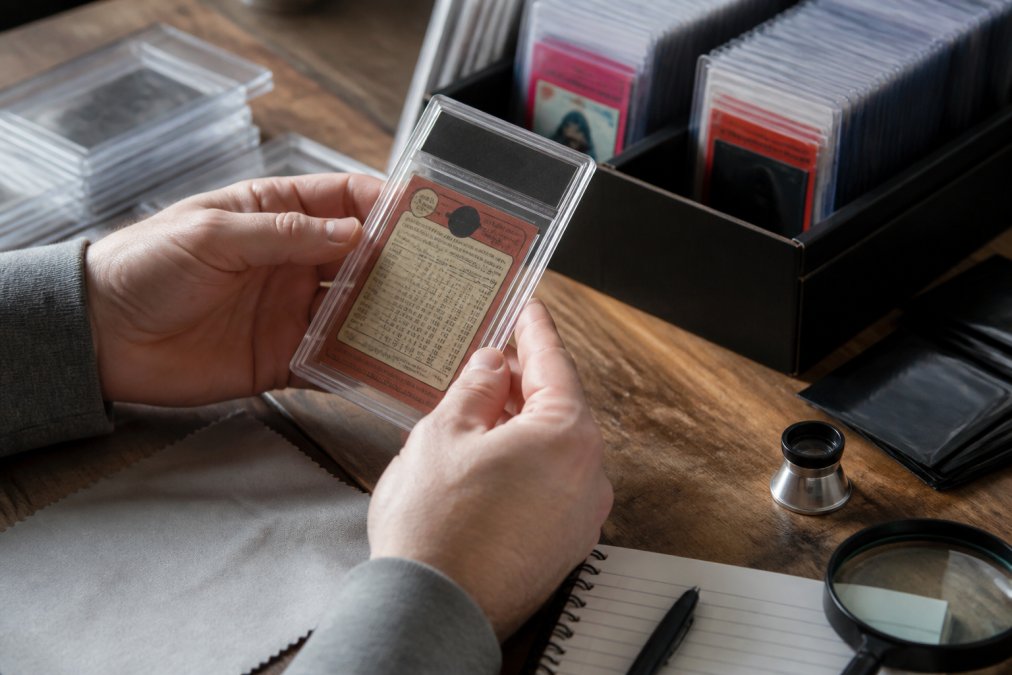
Look for the tamper-evident hologram on the back of the slab. Genuine PSA slabs feature a hologram that shifts colors when tilted. Counterfeiters often skip this or use poor-quality replicas.
Check the label quality closely. Genuine PSA labels are crisp with clean edges and perfect centering. The font is consistent and professional. Counterfeit labels often show misalignment, blurry printing, or color inconsistencies.
The slab itself should feel substantial and be constructed from clear acrylic. The card inside should be visible from multiple angles with no cloudiness or discoloration. When buying online, insist on high-resolution photos of both front and back, including close-ups of the serial number and hologram. If a seller won't provide detailed photos, walk away.
Tips for Buying Graded Cards on eBay and Other Marketplaces
eBay remains the largest marketplace for graded cards, but it's also where most counterfeits enter the market. Start by filtering for seller ratings and feedback history. Look for sellers with hundreds or thousands of transactions and consistently positive feedback about card condition and authenticity.
Check whether the seller offers returns. Legitimate sellers accept returns if the card doesn't match the listing or arrives damaged. Examine listing photos carefully, genuine sellers provide multiple high-resolution images showing front, back, sides, and close-ups of the serial number and hologram.
Pay attention to pricing. If a graded card is listed significantly below market value, ask why. Research comparable sales on eBay's "sold listings" to understand realistic pricing.
For high-value purchases, use eBay's authentication service if available. Consider buying from established card retailers instead of individual sellers. Retailers have reputation and inventory at stake, verify cards before listing, and process returns quickly.
Avoiding Counterfeit Slabs: Detection and Prevention
Start before you buy by checking the seller's return policy and asking direct questions about authentication. Ask for the PSA serial number before committing and verify it yourself using PSA's population report.
When the card arrives, open it carefully and inspect immediately. Take photos from all angles, including the serial number and hologram. Look for red flags: misaligned labels, blurry printing, inconsistent fonts, a hologram that doesn't shift colors, cloudiness inside the slab, or a serial number that doesn't appear in PSA's database.
For high-value purchases, consider sending the slab to a third-party authentication service. The most effective prevention strategy is buying from trusted retailers who verify every slab before listing and stand behind authenticity.
Investment vs. Collecting: Finding Your Best Online Store
Your motivation for buying graded cards should determine which online store you choose. Collectors and investors have different priorities.
If you're collecting for enjoyment, you want a store that prioritizes condition transparency and affordable options across all grades. You care about visual appeal and secure packaging so cards arrive in described condition.
If you're investing, you're focused on scarcity, grade, and market trajectory. You want cards that have demonstrated price appreciation. You care about population reports, lower population means scarcity, which typically means better long-term value. You're willing to pay more for PSA 10s because the grade holds value better.
The best online stores for graded cards serve both audiences. They offer cards at multiple grades, provide data for informed decisions, and pack everything securely.
Finding the best online stores for graded cards means prioritizing authenticity verification, transparent condition information, and secure packaging. Cardboard Superstars delivers on all three, offering a curated selection of graded cards verified for authenticity, detailed product descriptions showing exact condition, and collector-grade packaging that ensures safe arrival. Whether you're building a collection or making investment decisions, we make it easy to find your next hobby win with total confidence. Find cards and start collecting with the reliability you deserve.
Frequently Asked Questions
How do I verify that a graded card slab is authentic and not counterfeit?
Check the grading company's official population report using the serial number printed on the slab. PSA, BGS, and CGC all provide free lookup tools on their websites. Examine the tamper-evident hologram closely, authentic slabs have precise, sharp holograms that reflect light evenly. Look for consistent font weight on the label, proper centering of the card inside the slab, and UV-reactive elements under blacklight. Counterfeit slabs often have blurry text, misaligned labels, or inconsistent slab thickness. Purchase from verified sellers with established feedback histories to minimize risk.
What is the difference between PSA, BGS, and CGC grading for trading cards?
PSA (Professional Sports Authenticator) is the most established grading standard, using a 1-10 scale with strict centering and surface quality criteria. BGS (Beckett Grading Services) emphasizes subgrades for corners, edges, centering, and surface, giving collectors detailed condition breakdowns. CGC (Certified Guaranty Company) entered the card market more recently but has gained traction for its modern slab design and competitive pricing. PSA cards typically command strong market premiums due to collector preference and longer history. BGS subgrades appeal to detail-focused collectors. CGC offers a middle ground for budget-conscious buyers. Your choice depends on the card type, market demand, and personal preference.
What should I look for when buying graded cards on eBay and other online marketplaces?
Verify the seller's feedback score, aim for a high percentage of positive ratings and a substantial number of transactions in card sales. Request detailed photos of the slab's front, back, and serial number before purchasing. Check the card's population report to understand its rarity and typical market value. Read the full item description for any mention of damage, restoration, or slab issues. Use eBay's authentication guarantee and PayPal buyer protection for high-value purchases. Confirm shipping insurance is included. Compare prices across multiple listings to spot overpriced items. Ask sellers direct questions about centering, surface condition, and any visible imperfections. Avoid deals that seem significantly underpriced, as they may indicate counterfeits or misgraded cards.
What are the main pricing factors for graded collectibles?
Grade is the primary driver, a PSA 10 card can cost significantly more than a PSA 8 of the same card. Player demand, rookie status, and historical significance heavily influence value. Scarcity matters: low population reports indicate rarity and higher prices. The grading company affects resale value, with PSA typically commanding premiums over newer graders. Vintage cards from the 1960s-1980s often cost more than modern releases. Card condition specifics like centering and surface quality are reflected in the grade. Market trends shift based on player performance and collector interest. Sealed boxes and unopened products hold value differently than individual graded cards. Always check recent sold listings to gauge fair market value rather than asking prices.
This article was written using GrandRanker