


Last Updated: November 16, 2026
Quick Summary
The best way to handle bulk after opening packs is to sort it right away into holos, reverse holos, and common bulk, then check each card's set, language, and condition. Keep the holos and reverse holos apart, sleeve any keepers, and choose whether to sell, trade, donate, or store the rest. Set a regular date to move bulk out so it does not pile up.
- Split each pack's pulls into holos, reverse holos, and common bulk.
- Check set, language, and condition on every card before deciding.
- Sleeve anything you plan to keep to protect it.
- Count a 100-card sample and multiply to estimate your bulk total.
- Set a quarterly date to sell, trade, or donate leftover bulk.
Table of Contents
- Separate Holos, Reverse Holos, and Common Bulk
- Decide What Counts as Valuable Versus Bulk
- How Much 1,000 Bulk Pokémon Cards Are Worth
- Pokémon Bulk Sell Options and How to Compare Offers
- Trade, Donate, or Use Bulk for Casual Play
- Pokémon Bulk Storage for Small and Large Quantities
- Pick Your Next Step for the Bulk Pile Today
- Frequently Asked Questions
Opening dozens of packs often leaves a messy pile of commons that is hard to price or use. A clear sorting routine right after you open keeps your bulk organized, and knowing how to handle bulk after opening packs makes the next decision easy. Here is how to start.
Separate Holos, Reverse Holos, and Common Bulk
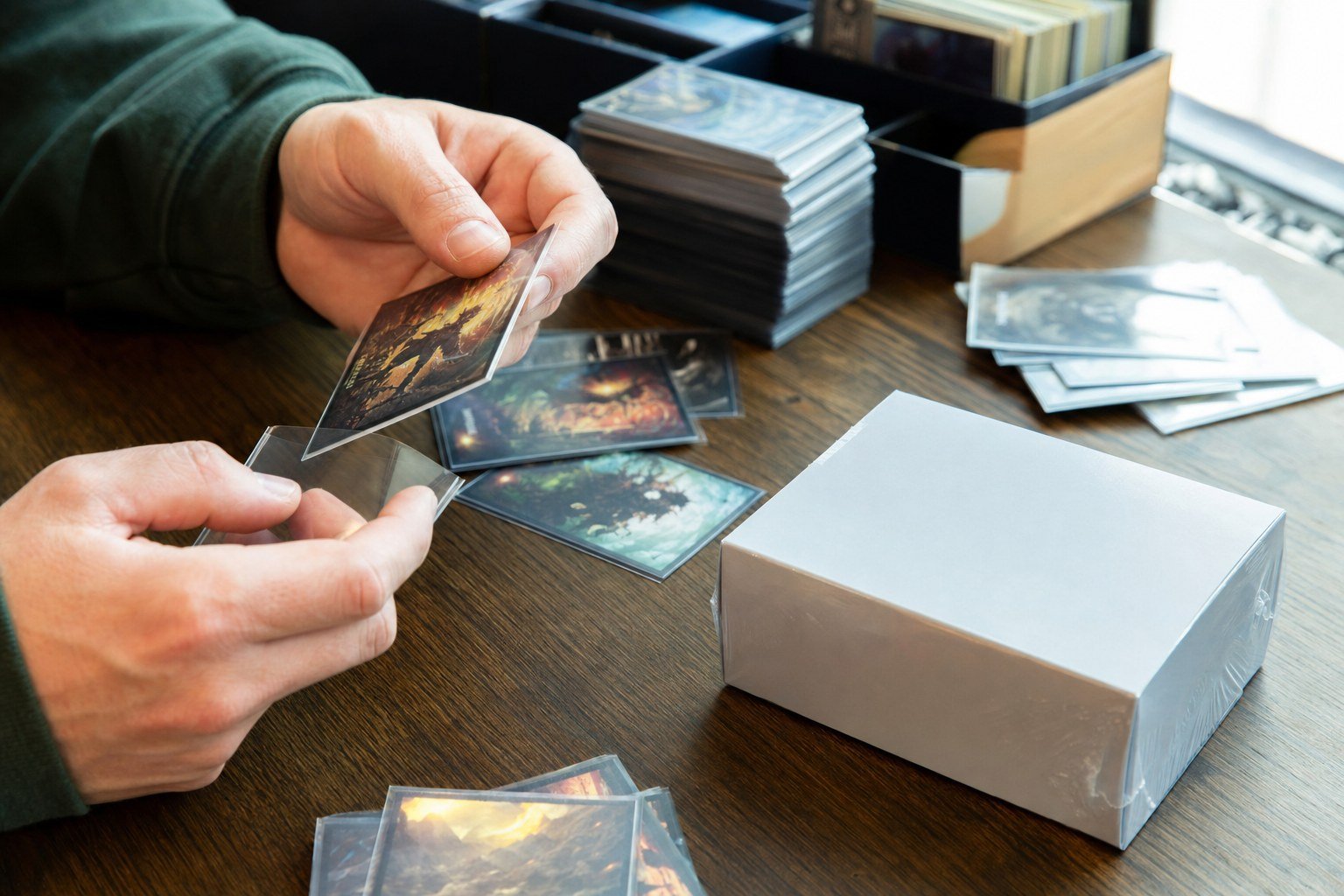
Start by splitting each pack's pulls into three rough piles: holos, reverse holos, and common or uncommon bulk.
- Holos: Cards with a full holographic art panel.
- Reverse holos: The shiny pattern covers the card background, not the artwork.
- Common bulk: Everything else that is not a rare or holo.
Keep the holos and reverse holos in a separate pile so they don't get mixed into the bulk. This takes only a minute per pack, and it keeps your valuable pulls from getting lost.
Check Set, Language, and Condition Before You Decide
Before you sort the bulk further, check three details on every card:
- Set: Note the set name and number on the bottom of the card.
- Language: Confirm whether the card is English, Japanese, or another language. Language can change its value and where it can be sold.
- Condition: Look for whitening on the edges, scratches, and dents. Even common cards lose value when damaged.
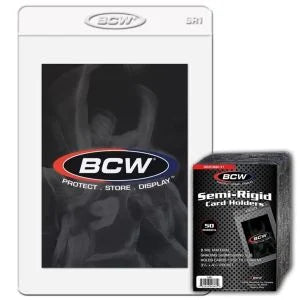
Sleeve anything you plan to keep. The Rip & Protect Bundle 200 Penny Sleeves, 200 Semi Rigid Card Savers at $32.00 covers both the sleeving and the semi-rigid protection you need for keepers.
Decide What Counts as Valuable Versus Bulk
Not every holo is worth keeping, and not every common is worthless. The line depends on the card's rarity, condition, and demand, so review your bulk after opening packs with those three factors in mind.
A simple test works well: if a card is holographic, rare, or in clean condition from a popular set, set it aside for a closer look. Everything else is bulk. Browsing a guide to the rarest Pokémon cards to look for can help you recognize which names deserve a second look.
Be careful with this step. Check the card in good light before you decide.
How Much 1,000 Bulk Pokémon Cards Are Worth
Bulk pricing is not a single number. Buyers price bulk by count, condition, set mix, language, and whether the cards are sorted. The total depends on how many cards qualify under each buyer's rules.
Use this three-step method to estimate your pile before you request offers:
- Count and qualify. Separate cards the buyer will accept (usually near-mint or better, English, no proxies, no energy or basic lands unless stated) from cards that will be rejected or downgraded. Confirm your count by counting a 100-card sample and multiplying.
- Check current sold listings. Search sold listings for "bulk Pokémon cards 1,000" and note the range, not the highest outlier. Filter by condition and set era so you compare like with like. Prices shift with demand and rotation, so re-check before you commit.
- Apply the buyer's rate. If a buyer quotes a per-card rate, multiply by your qualified count, then subtract shipping if you pay it. Store credit offers can carry a different nominal rate than cash, so compare the total value of each option.
Watch out: a high per-card rate can hide strict condition rules or a minimum count, so ask for the total payout on your exact count before you ship.
Keep your expectations realistic. Bulk is best treated as a way to free up space and turn leftover cards into something useful, not as a major income source.
Pokémon Bulk Sell Options and How to Compare Offers
When you sell bulk, compare offers on five points: the price per card, the minimum and maximum counts accepted, the condition and language rules, who pays shipping, and how and when you get paid. A quick comparison table helps.
| Option | What You Get | Effort | Typical Value |
|---|---|---|---|
| Sell bulk as a lot online | Cash, one sale | Medium: photo and list | Low per card, bulk total |
| Trade bulk in store | Store credit | Low: drop off and sort | Often better as credit |
| Sell to a bulk buyer by mail | Cash or credit | Medium: count, pack, ship | Rate depends on eligibility rules |
| Donate to a charity or school | Tax receipt possible | Low | No cash return |
| Keep for casual play | Deck building, games | Low | Zero cash value |
Before you accept any offer, run this eligibility checklist so your shipment is not rejected or downgraded:
- Condition: Most buyers accept near-mint or better. Whitening on edges, creases, scratches, and dents can move a card out of the bulk rate or into a lower tier. Check cards in good light and pull damaged ones out.
- Set and era: Some buyers accept all sets; others exclude certain promos, energy cards, or basic lands. Confirm which sets and card types qualify before you count.
- Language: English cards are the default for most bulk buyers. Japanese and other-language cards often need a separate buyer or a lower rate.
- Authenticity: No proxies, fakes, or altered cards. Buyers may reject the entire shipment if they find counterfeits.
- Count and packaging: Confirm the minimum count, whether the buyer counts by hand or by weight, and how they want cards packed (boxes, not sleeves, is common for bulk).
Fees and shipping change the math. If you pay shipping, subtract it from the offer before you compare. If the buyer pays, confirm whether the rate already includes that cost.
Watch out: a per-card rate quoted on the buyer's site may apply only to a narrow set of eligible cards, so ask for a total on your exact count and condition mix before you ship.
Compare two or three offers before you commit.
Trade, Donate, or Use Bulk for Casual Play
Bulk has more uses than most collectors expect. You can trade it for store credit, donate it to a school or community group, or use it to build casual decks for friends and family.
A common mistake is holding onto bulk for years with no plan. Set a date each quarter to move your bulk out. Trading and donating keep the cards in circulation and clear space on your shelf.
Pokémon Bulk Storage for Small and Large Quantities
Storage depends on how much bulk you have. For a small pile, a simple box with dividers works. For larger collections, use bulk storage boxes sorted by set or type.
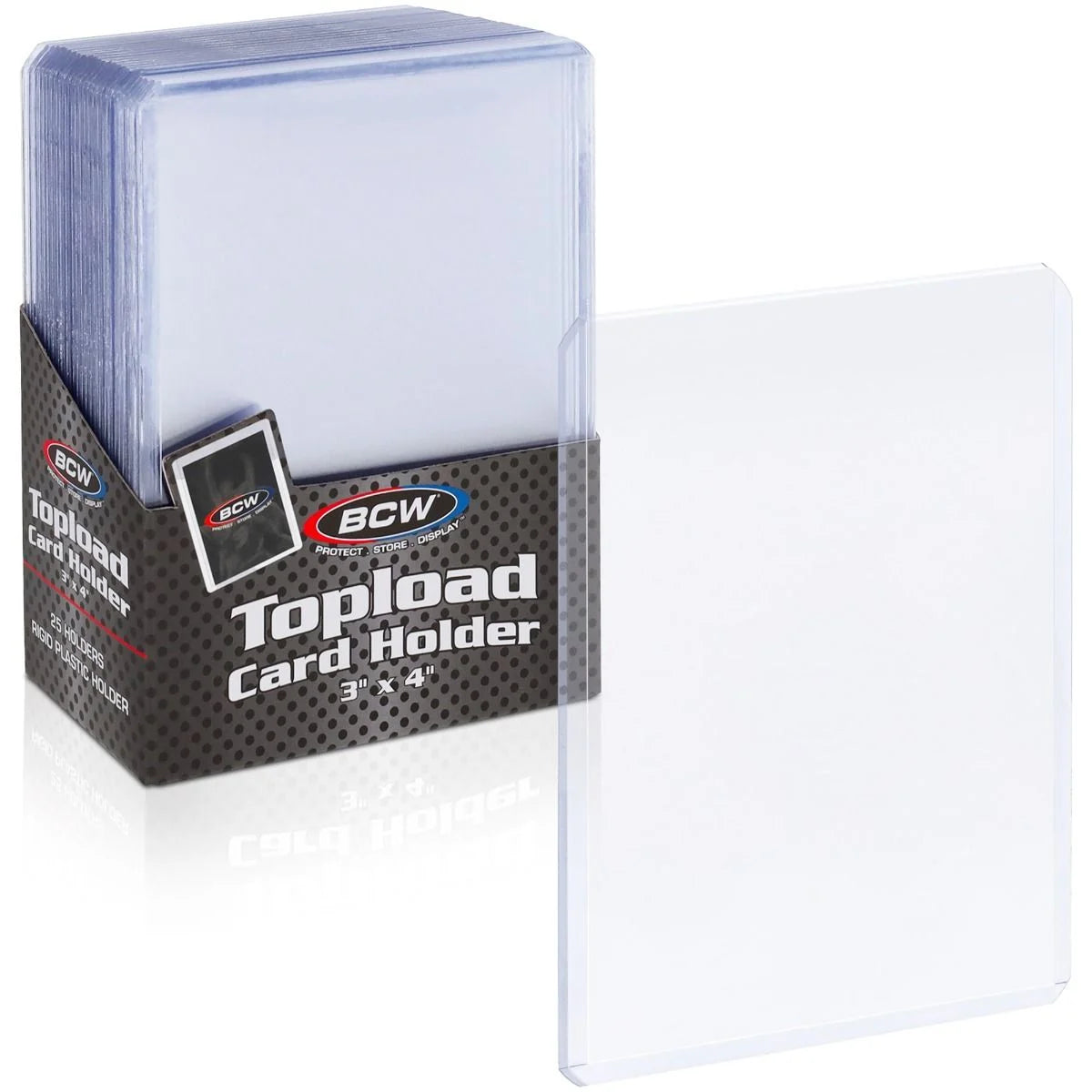
For larger quantities, the All-Star Supply Pack - 200 Toploaders + 200 Penny Sleeves at $29.99 covers 200 toploaders and 200 penny sleeves for standard-size cards. The Team Leader Supply Pack - 100 35pt Toploaders + 100 Sleeves at $16.00 is a smaller option for a growing pile. For a starter setup, the Rookie Supply Pack - 100 Card Sleeves + 50 Toploaders at $13.75 covers the basics.
Label each box with the set or type so you can find cards fast later.
Pick Your Next Step for the Bulk Pile Today
Start with the pile you already have. Sort the holos first, check the keepers, and set aside the rest as bulk. Then choose one next step: sell, trade, donate, or store.
Cardboard Superstars offers protective supplies to help you keep your best pulls safe while you decide. Find cards and get your next step started today.
Frequently Asked Questions
What is the Pokémon trick for opening packs?
There is no single trick that changes what is inside a pack, but a clean opening routine makes the bulk easier to handle. Open packs over a tray or large towel so nothing gets lost, keep rares and holos separated from commons as you go, and slide cards into sleeves right away to prevent edge wear. Sorting as you open saves time later and keeps valuable pulls from getting mixed into the bulk pile.
How much would 1000 bulk Pokémon cards be worth?
Bulk Pokémon cards are typically low in value because most are common or uncommon cards. A thousand ordinary commons may be worth very little in trade or cash, while a batch that includes holos or reverse holos can be worth more. The most accurate answer comes from sorting by rarity and condition, then comparing offers from buyers for the cards that matter.
How should you store Pokémon card bulk?
Store bulk in sleeves, then in a sturdy box or bin that is kept out of direct sunlight and away from humidity. Sort by set or type so you can find cards quickly later. Use the Rip & Protect Bundle with 200 penny sleeves and 200 semi-rigid card savers for sleeving and shipping, or the Rookie Supply Pack with 100 card sleeves and 50 toploaders for smaller collections.
Where can you sell bulk Pokémon cards?
Bulk Pokémon cards can be sold to local card shops, through online marketplaces, or to bulk buyers who make offers by weight or count. Compare offers based on your total card count and the rarity mix, and check whether a buyer pays cash, store credit, or trade. Keeping your higher-value cards separate lets you sell those individually and sell the rest as bulk.
