


Table of Contents
- Understanding Pokémon Card Collecting Basics
- Setting Your Budget and Avoiding Overspending
- Choosing What to Buy First: Booster Packs, Boxes, and Single Cards
- Best Pokémon Cards for Beginners to Collect
- Pokémon Card Collecting on a Budget
- Pokémon Card Storage and Protection Essentials
- How to Organize Pokémon Cards and Track Your Collection
- Where to Find and Buy Pokémon Cards Safely
- Frequently Asked Questions
Last Updated: October 17, 2026
Understanding Pokémon Card Collecting Basics
Collecting pokemon cards combines nostalgia, strategy, and community. Whether you're drawn to the artwork, the gameplay, or the thrill of rare pulls, collecting Pokémon cards offers something for everyone.
The trading card game has evolved significantly since its 1996 launch, with multiple product types, release schedules, and strategies that can feel overwhelming. The good news: the fundamentals are simple, and you don't need a fortune to build a meaningful collection.
Collecting vs. Playing the Trading Card Game
Collecting means acquiring cards for their aesthetic appeal, rarity, or investment potential. Collectors focus on condition, completeness, and preservation. They may never remove a card from its protective sleeve.
Playing means using cards in actual Pokémon TCG matches against opponents. Players care about deck functionality and competitive viability.
Many people do both, but the distinction changes how you buy. A player might grab a $15 booster box to hunt for meta cards; a collector might spend the same on a single high-grade card that fits their theme.

Ask yourself honestly: do you want to play matches, or own cards? Your answer determines which products to buy first and how much condition matters.
Card Types, Rarities, and What to Expect
Every Pokémon booster pack contains a mix of rarities. Understanding what you're likely to pull sets realistic expectations.
Common cards make up the bulk of every pack and typically cost pennies individually.
Uncommon cards are slightly harder to find and often feature interesting artwork or useful gameplay effects.
Rare cards are marked with a star symbol and come in several varieties.
Within each booster pack, you'll typically pull one guaranteed rare or better.
Setting Your Budget and Avoiding Overspending
The biggest mistake new collectors make is not setting a budget before their first purchase. Without boundaries, it's easy to spend $200 in a weekend and feel buyer's remorse by Monday.
A realistic budget protects you from overspending on products that don't align with your goals when collecting pokemon cards and from chasing the dopamine hit of opening packs without a plan.
A Practical 2026 First-Month Starter Plan
Here's how we recommend approaching your first month as a collector:
Week 1: Research and Planning ($0) Spend your first week watching videos, reading set reviews, and deciding what appeals to you. Which Pokémon do you love? Which sets have artwork you find compelling? This costs nothing and prevents impulse purchases.
Week 2-3: Your First Purchase ($50-80) Buy a single booster box of a current set that excites you. The Pokemon Korean Ruler Of The Black Flame Booster Box at $80 is an excellent entry point, it offers factory-sealed authenticity, a full 36 packs, and the thrill of opening without overcommitting financially.
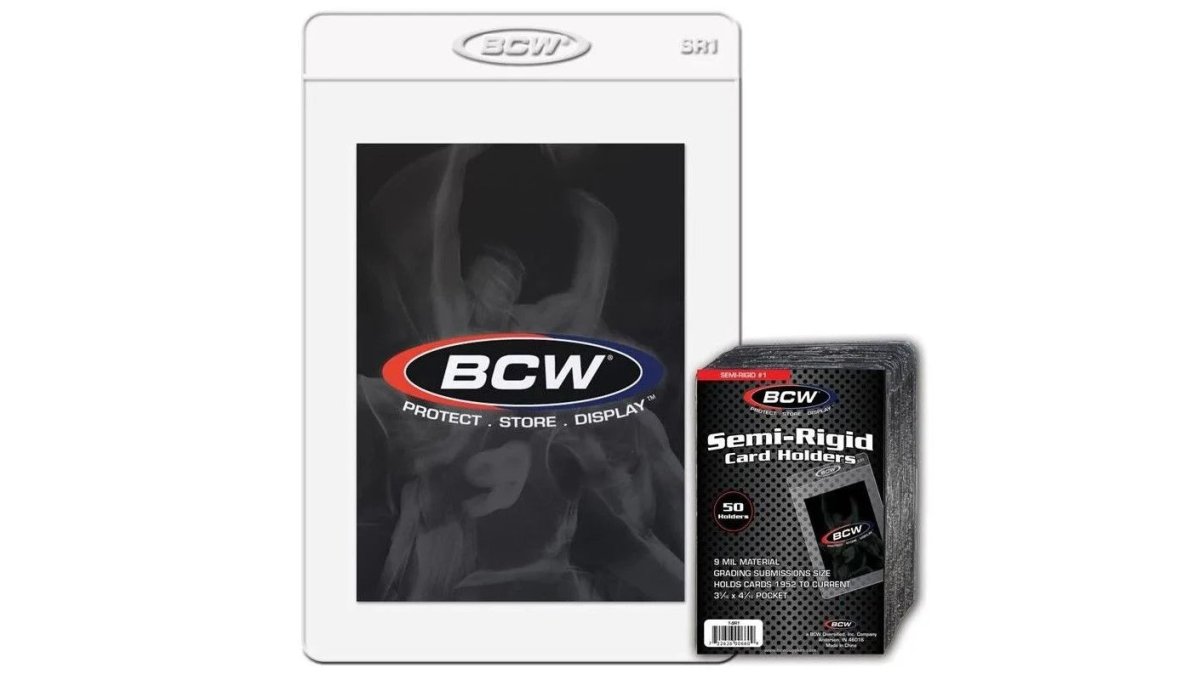
Week 4: Protective Supplies ($30-40) Once you've identified cards worth keeping, invest in protection. Grab a BCW Semi-Rigid Card Holder #1 for your favorite pulls ($11.99) and a BCW Collectible Card Bin Holds 1600 Cards ($34.99) to organize the rest.
Total First-Month Spend: $130-150
This approach lets you experience the hobby without overcommitting, so you'll learn what you like and whether this is a long-term passion.
Choosing What to Buy First: Booster Packs, Boxes, and Single Cards
Should you buy individual packs, a full booster box, or specific single cards? It depends on your goal and budget.
Booster Packs vs. Booster Boxes vs. Single Cards
Booster boxes contain 36 packs and cost $80-300 depending on the set's age and demand. Opening a full box guarantees you'll hit multiple rare and ultra-rare cards.
Single cards let you target specific Pokémon. If you love Charizard, buying one online is more efficient than opening 50 packs hoping to pull it, though singles require research to verify authenticity.
For your first purchase, we recommend a booster box. It delivers the full experience, guarantees variety, and costs less per pack than buying individually.
2026 Set Releases and Current Products
The 2026 release calendar includes several strong options for beginners, with quality artwork and accessible chase cards.
The Pokemon White Flare Deluxe Booster Box at $288 represents the premium end of current releases and is ideal if you want the latest meta-relevant cards. The Pokémon 30th Celebration Japanese Booster Box at $225.25 appeals to collectors who value nostalgic artwork and Japanese print quality.


For beginners on a tighter budget, the Korean Ruler of the Black Flame box remains the most accessible entry point at $80. It delivers the full booster box experience without the premium pricing of English or Japanese anniversary sets.
Best Pokémon Cards for Beginners to Collect
Which cards should you actually chase?
Iconic Pokémon like Charizard, Pikachu, and Blastoise never lose appeal.
Holographic cards are the visual centerpiece of most collections. The shimmer effect catches light and draws eyes.
Illustration rares are a 2026 trend that appeals to art-focused collectors.
Set completion is a legitimate, budget-friendly goal.
The best cards are the ones that excite you when you pull them.
Pokemon Korean Ruler Of The Black Flame Booster Box →
Pokémon Card Collecting on a Budget
Collecting doesn't require a large budget. Many collectors build impressive collections on $50-100 per month.
Finding Affordable Cards and Spotting Deals
Booster boxes from older sets are cheaper because demand has cooled.
Buy during off-peak times. New set releases drive prices up.
Focus on non-holo versions. A non-holographic rare costs a fraction of its holographic counterpart but shows the same artwork.
Join collector communities. Local Pokémon TCG groups share leads on bulk lots, shop sales, and group box breaks where you split costs.
How to Verify Authenticity and Assess Card Condition
Counterfeits exist, and buying fakes kills collecting enthusiasm. Learning to spot legitimate cards protects your investment.
Examine print quality. Authentic cards have crisp, clean printing with sharp text and consistent color saturation.
Check the card stock. Real Pokémon cards have a specific weight and feel; counterfeits often feel thin or flimsy.
The Professional Sports Authenticators grading standards guide offers detailed condition assessment criteria that apply to trading cards across all categories.
Pokémon Card Storage and Protection Essentials
How you store your cards determines whether they remain in collectible condition or deteriorate over time. Proper storage isn't expensive, but it's non-negotiable if you care about your collection.
Sleeves, Binders, and Long-Term Preservation
Sleeves are the first layer of protection. The BCW Semi-Rigid Card Holder #1 offers premium protection for your most valuable cards, preventing bending and creasing during transport or display.
Binders let you display your collection while keeping cards protected. Use acid-free binders designed for trading cards, cheap binders contain materials that damage cards over time.
Storage bins organize bulk cards efficiently. The BCW Collectible Card Bin Holds 1600 Cards at $34.99 holds massive quantities while keeping cards organized and accessible.
Environmental control matters more than most beginners realize. Store cards in cool, dry environments away from direct sunlight.
How to Organize Pokémon Cards and Track Your Collection
Organization transforms collecting from chaotic accumulation into a satisfying hobby. Knowing what you own prevents duplicate purchases and helps you spot gaps in your collection.
Collection Tracking, Set Checklists, and Managing Duplicates
Digital tracking is the most scalable approach. Apps and spreadsheets let you log every card, its condition, and its location.
Set checklists show you exactly which cards you need to complete a set.
Organize by set first, then by card number. This system makes finding specific cards instant and prevents duplicates from piling up.
Duplicates are inevitable. You'll pull the same card multiple times. Decide early whether you keep duplicates or trade them.
| Organization Method | Best For | Time Investment | Scalability |
|---|---|---|---|
| Digital spreadsheet | Serious collectors | 30 min setup | Excellent |
| Physical set checklist | Casual collectors | 15 min per set | Good |
| Binder organization | Display-focused | 1 hour per 100 cards | Fair |
| Storage bins only | Beginners | 5 minutes | Poor |
Where to Find and Buy Pokémon Cards Safely
Knowing where to buy protects you from counterfeits, damaged products, and unreliable sellers.
Online retailers with strong feedback and secure packaging are your safest bet.
Local card shops offer the advantage of seeing products in person before purchasing.
Avoid marketplace sellers with limited feedback. New sellers might be legitimate, but they lack a track record.
Sealed products are safer than singles. When you buy a factory-sealed booster box, you know exactly what you're getting.
The Federal Trade Commission's guide to online shopping safety provides essential protections when buying from any online retailer, including verification of seller credentials and secure payment practices.
Starting your Pokémon card collecting journey doesn't require expert knowledge or a massive budget. Our curated selection of booster boxes, protective supplies, and transparent product details mean you can focus on collecting rather than worrying about authenticity or condition. Find cards that match your collecting goals and start building your collection today.
Frequently Asked Questions
I'm new to Pokémon cards. Where should I start collecting?
Start by deciding whether you want to collect for fun or build a competitive deck. Choose a favorite Pokémon or set that excites you, then buy a few affordable booster packs or single cards to explore. Set a monthly budget of $20-$50 to begin, invest in basic protection like sleeves and a card bin, and join collector communities online to learn from experienced hobbyists. This approach lets you enjoy the hobby without overspending while you discover what type of collecting suits you best.
Should beginners buy booster packs or individual cards?
Both have value. Booster packs offer excitement and discovery, making them ideal for learning what cards exist and enjoying the opening experience. Individual cards let you build toward specific goals without waste. Beginners often benefit from starting with a few packs to understand card types and rarities, then switching to single cards for cards they actually want. This balanced approach teaches you the market while keeping costs predictable and focused on your collecting theme.
How can I tell if a Pokémon card is authentic?
Authentic Pokémon cards have crisp, centered printing with sharp text and vibrant colors. Check the card's weight and texture, genuine cards feel substantial and have a specific card stock quality. Verify the holographic pattern; counterfeits often have uneven or incorrect holo placement. Buy from reputable sellers who provide clear product condition details and guarantee authenticity. Avoid suspiciously low prices, and when in doubt, request photos showing the card's back, front, and holo pattern before purchasing.
What supplies do I need to protect my Pokémon cards?
Essential protection includes card sleeves (standard 0.035mm thickness) for everyday cards, semi-rigid holders for valuable singles, and a card storage bin for bulk organization. A binder with archival-quality pages works well for displaying your collection. For high-value cards, consider grading-submission holders. Avoid PVC-based sleeves and cheap binders, which damage cards over time. Start with sleeves and a basic storage bin, you can upgrade to specialized holders as your collection grows and your budget allows.
How do I set a realistic budget for collecting Pokémon cards?
Begin with a monthly budget of $25-$75 depending on your income and collecting goals. Allocate roughly 70% to cards and 30% to protection supplies. A practical first month might include one booster box ($80-$288), protective sleeves, and a storage bin ($34.99). Track every purchase to avoid impulse spending. Set a clear collecting goal, such as completing a specific set or collecting your favorite Pokémon, and stick to it. This prevents overspending and keeps your hobby enjoyable and sustainable long-term.
What's the best way to organize and track my Pokémon card collection?
Organize cards by set, card number, and rarity for easy tracking. Use a spreadsheet or free collection-tracking app to log each card's condition and value. Create a set checklist to identify gaps in your collection. Store organized cards in labeled binders or bins by set. Separate duplicates into a trade pile. Review your collection quarterly to assess progress toward your goal. This system prevents duplicate purchases, helps you spot undervalued cards, and makes it simple to identify what you still need to complete your sets.
Where can I buy authentic Pokémon cards without getting scammed?
Buy from established retailers with strong seller ratings and transparent product descriptions. Reputable sellers provide clear condition details, factory-sealed packaging, and fast shipping with damage protection. Check seller feedback and return policies before purchasing. Avoid deals that seem too good to be true. For sealed booster boxes and starter products, prioritize sellers who specialize in trading cards and offer collector-grade packaging. Cardboard Superstars, for example, provides 100% positive feedback, detailed product information, and secure packaging designed to protect cards in transit.