


Table of Contents
- The Real Value Proposition of Sealed Booster Boxes
- Sealed Pokémon Booster Box Investment: What the Data Shows
- Sealed vs. Opened Booster Box: The Financial and Collector Comparison
- Understanding Booster Box Resale Value and Market Factors
- How to Verify Authentic Pokémon Booster Boxes
- Total Cost of Ownership: Hidden Expenses That Affect Returns
- Who Should Buy Sealed Booster Boxes, And Who Shouldn't
- Conclusion
- Frequently Asked Questions
Last Updated: October 15, 2026
The Real Value Proposition of Sealed Booster Boxes
When you're considering whether sealed booster boxes worth the investment are right for you, you're really asking two different questions at once: Are they worth buying to open and enjoy, or worth buying as an investment? The answer depends entirely on your goals and budget.
Sealed booster boxes sit at an interesting intersection. They're more expensive than loose packs, but they come with guarantees about authenticity and condition that you simply can't get from opened product. For serious collectors, that peace of mind alone justifies the premium.
The honest truth: sealed booster boxes worth the premium are only justified if you know what you're paying for. A sealed box isn't just a collection of packs, it's a snapshot of a specific moment in time, with all the cards inside protected from the moment they left the factory. That matters more than most casual buyers realize.
Sealed Pokémon Booster Box Investment: What the Data Shows
Sealed Pokémon booster boxes have become a fixture in collector portfolios over the past several years. The appeal is straightforward: you buy a box, store it carefully, and hope its value appreciates over time. But appreciation isn't guaranteed, and the timeline is unpredictable.
Many collectors find that older sealed sets, those released five or more years ago, have appreciated meaningfully. Newer releases, by contrast, often sit flat or even decline in value during their first year on the market. The market is flooded with fresh product, which naturally suppresses prices. Over time, as sealed boxes become scarcer and demand from collectors grows, values can shift upward.
The critical variable is set popularity and collectibility. Some sets resonate with the community and hold value; others fade into obscurity. Predicting which sets will appreciate is nearly impossible. You're making an educated guess at best, which is why treating sealed boxes as a financial investment carries real risk.
| Set Type | Typical First-Year Trend | Long-Term Appreciation Potential | Key Risk Factor |
|---|---|---|---|
| Recent Release | Flat or declining | Moderate if popular | Market saturation |
| 2-3 Years Old | Stabilizing | Good if sought-after | Reprints or new sets |
| 5+ Years Old | Established value | High for rare sets | Condition and storage |
Sealed vs. Opened Booster Box: The Financial and Collector Comparison
Opening a sealed booster box is the opposite of investing in it. When you crack the seal, you're trading the box's potential appreciation for the immediate pleasure of pulling cards. That's a legitimate choice, many collectors prefer the experience and the cards they get over holding sealed product.

The math is straightforward but sobering. A sealed box might cost you $70 to $288 depending on the set and release. If you open it, you get 10-36 booster packs worth of cards. The expected value of those cards is almost always less than what you paid for the sealed box. Some pulls will be valuable, most won't be.
Here's where it gets interesting: if you're opening boxes for fun rather than profit, that's fine. You're paying for entertainment and the chance at valuable pulls. But if you're trying to recover your investment by selling the individual cards you pull, you'll almost always lose money.
Sealed collectors who hold their boxes avoid this problem entirely. They're betting on appreciation, not on pulling specific cards. The downside is that their money is tied up and illiquid, you can't easily convert a sealed box to cash if you need it quickly.
Understanding Booster Box Resale Value and Market Factors
Booster box resale value hinges on a handful of factors that most new collectors don't fully appreciate. The first is age. A sealed box from 2021 is worth more than an identical box from 2023 simply because sealed stock has diminished over time.
Set popularity matters enormously. Sets with iconic Pokémon, desirable mechanics, or strong competitive viability hold value better than forgettable releases. The community's appetite for a set drives demand, and demand drives price.
Condition is non-negotiable. A sealed box with minor wear, a crease on the corner, slight discoloration, trades at a significant discount compared to a pristine example. Storage matters. Boxes kept in climate-controlled environments with minimal light exposure hold their condition far better than those exposed to temperature swings or sunlight.
Reprints are the silent killer of sealed box value. If the Pokémon Company reprints a popular set, the value of original sealed boxes often drops. Collectors suddenly have a cheaper way to acquire new product, which reduces demand for older sealed stock. This is a real risk that many new investors underestimate.
Liquidity is also worth understanding. A sealed box is only worth what someone is willing to pay for it right now. If you need to sell quickly, you may have to accept below-market prices.
How to Verify Authentic Pokémon Booster Boxes
Counterfeits are a serious problem in the sealed booster box market. Before you commit to a purchase, you need to know how to spot a fake.
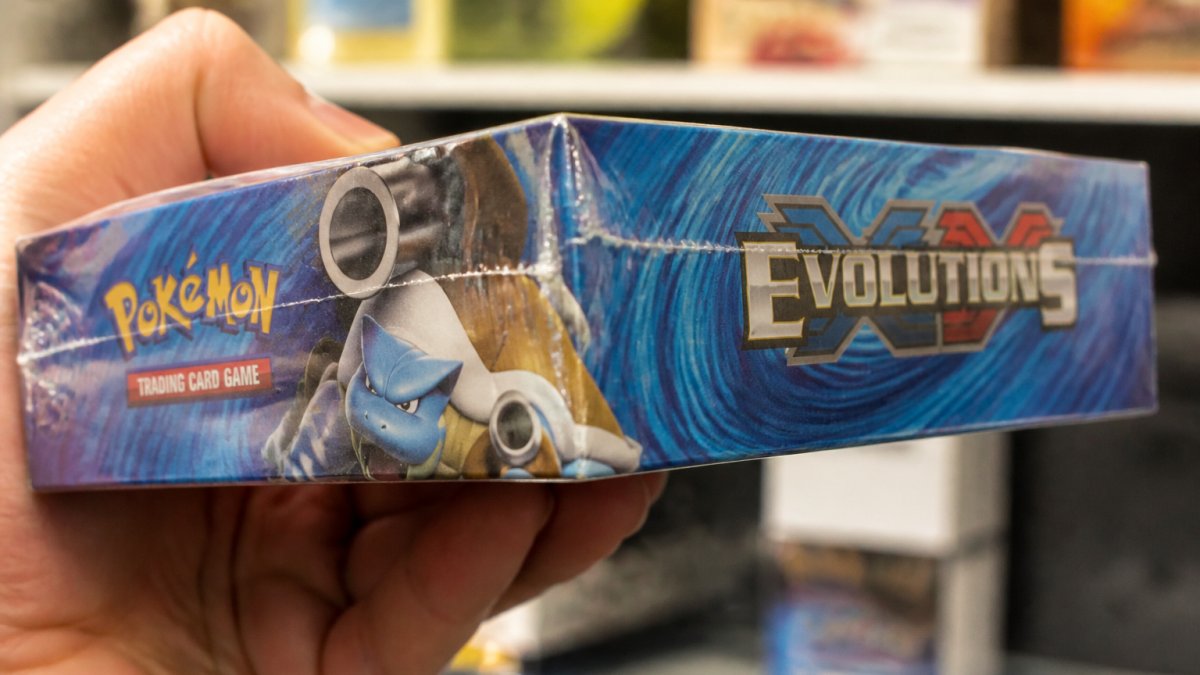
Authentic sealed boxes have specific visual markers. The packaging should have crisp, clean printing with no blurring or color inconsistencies. The factory seal should be uniform and tight, not loose or uneven. Look at the text on the box, font weight, spacing, and alignment should be perfect.
Check the holographic security features if the box has them. These are difficult to replicate convincingly. Run your finger across them; authentic holograms have a specific texture and reflective quality that fakes struggle to match.
The weight and feel matter too. Authentic booster boxes have a specific heft and cardstock quality. A counterfeit often feels slightly lighter or the cardboard feels cheaper. This takes experience to detect, but it's a useful sanity check.
Buy from reputable sellers with verifiable track records. We provide clear condition details and photos so you know exactly what you're getting.
Total Cost of Ownership: Hidden Expenses That Affect Returns
Most collectors focus only on the purchase price of a sealed box, but that's incomplete accounting. Several other costs eat into your returns if you hold the box long-term.
Storage is the first hidden expense. Proper storage requires a climate-controlled space, ideally between 65-75°F with low humidity. If you're renting climate-controlled storage space, that cost compounds over years.
Pokemon White Flare Deluxe Booster Box →
Shipping and handling costs matter when you eventually sell. Sealed boxes are heavy and fragile. Shipping a box across the country can cost $15-30 depending on distance and carrier.
Marketplace fees are significant. If you sell on eBay, you're paying roughly 13% in combined fees (final value fee plus payment processing). On other platforms, fees vary but rarely drop below 10%.
Taxes complicate the picture further. If you're selling sealed boxes as a business or as frequent sales, those proceeds are taxable income.
Insurance is worth considering if you're holding high-value sealed boxes. A policy that covers collectibles typically costs a small percentage of the item's value annually, but it protects against theft or damage.
Add these costs up across a multi-year holding period, and your net return shrinks noticeably. A box that appreciated 20% in value might net only 10% after accounting for storage, shipping, fees, and taxes.
Who Should Buy Sealed Booster Boxes, And Who Shouldn't
Sealed booster boxes make sense for specific collector profiles. If you love the hobby and want to own a piece of Pokémon history without worrying about condition or authenticity, sealed boxes deliver that.
Serious investors with a multi-year horizon and patience can make sealed boxes work, but only if they're selective about which sets they buy. Popular, iconic sets from older releases have a better track record. Newer sets are speculation, pure and simple.
Sealed boxes don't make sense if you need liquidity or have a short time horizon. If you might need to sell within a year, you're fighting against market forces.
They also don't make sense if your primary goal is to pull valuable cards. The expected value of the cards inside is almost always less than the sealed box price.
Budget-conscious collectors should start with individual packs or singles rather than sealed boxes. The entry cost is lower, and you get the same cards. As your collection grows and you want to preserve specific sets, sealed boxes become more relevant.
For players building competitive decks, sealed boxes are inefficient. Buy the specific cards you need. Sealed boxes contain many cards you'll never play.
Consider our curated selection at Cardboard Superstars if you're ready to buy.
Conclusion
Sealed booster boxes are worth the price if you understand what you're actually buying. They're worth it for authenticity, condition protection, and the potential for long-term appreciation, but only if you're selective about which sets you purchase and realistic about returns.
They're not worth the price if you're chasing quick profits, need immediate liquidity, or primarily want the cards inside. In those cases, you're better served by alternative approaches.
The decision ultimately comes down to your goals and budget. If you're building a collection you want to preserve and potentially appreciate over years, sealed boxes make sense. If you're trying to maximize your enjoyment of the hobby right now, opening boxes might be the better choice despite the financial inefficiency.
Ready to find authentic sealed booster boxes you can trust? Explore our collection at Cardboard Superstars, where we provide transparent product details, secure collector-grade packaging, and fast shipping. Whether you're hunting the Pokémon White Flare Deluxe Booster Box for serious enthusiasts or exploring Japanese releases like the Ninja Spinner M4 Japanese Booster Box at $95.00, we've got the selection and reliability to support your collecting goals. Find cards you can collect with confidence.

Frequently Asked Questions
Are sealed Pokémon booster boxes a good investment?
Sealed Pokémon booster boxes can appreciate, but returns vary significantly by set, purchase timing, and storage conditions. Older sets from high-demand releases tend to hold value better than newer products. Success requires patience, careful set selection, and realistic expectations about ROI. Most sealed boxes appreciate slowly over 3-5 years, not quickly. Consider your budget and risk tolerance before treating sealed boxes as primary investments.
What's the difference between sealed vs. opened booster box value?
Sealed boxes command a premium because they preserve rarity and scarcity, collectors know the contents are untouched and graded cards remain in original condition. Opened boxes lose this premium immediately because the contents are known and individual cards may be damaged or lower grade. A sealed box may appreciate 10-30% over time; opened contents typically depreciate unless they contain chase cards that grade highly. Sealed preservation matters for long-term value.
How do I know if a sealed booster box is authentic?
Check for factory seals that are intact and properly aligned, consistent printing quality on the box exterior, and correct weight and dimensions for the set. Authentic boxes ship from reputable sellers with clear product provenance and transparent condition descriptions before purchase. Verify the seller's feedback and authentication guarantees. Counterfeit boxes often show printing misalignment, weak seals, or inconsistent color matching. Buy from established retailers like Cardboard Superstars who provide collector-grade packaging and authentic products.
Do sealed booster boxes increase in value over time?
Yes, but not all sets appreciate equally. High-demand sets from popular releases appreciate faster than standard releases. Appreciation also depends on print runs, reprint risk, and collector demand. Boxes held 3-5 years typically see modest appreciation of 5-20%, though older sets from limited releases have appreciated 30-50% or more. Storage conditions, market trends, and new set releases all affect resale value. Patience and set selection matter more than timing.
What factors affect booster box resale value most?
Set popularity, print run size, condition of the seal, release date, and collector demand drive resale value. Limited releases and older sets from high-demand eras command higher prices. Boxes with perfect seals sell for more than those showing wear. Market saturation from reprints reduces value. Storage conditions, kept in cool, dry environments away from light, preserve value better than boxes exposed to heat or humidity. Rarity and scarcity are the strongest value drivers.