


Quick Summary
To open booster packs without damaging cards, first identify the wrapper type, then match your method to it: tear thin foil packs slowly, peel resealable seams with your thumbs, and use a shallow narrow cut on stiff laminated wrappers. Keep a clean, dry workspace and sleeve each card as it comes out.
- Identify the wrapper type before you touch the seal.
- Use a shallow cut about 1/8 to 1/4 inch in from the crimp.
- Tilt the pack so cards slide to the far end before cutting.
- Stop immediately if the wrapper tears toward the card stack.
- Sleeve each card right after it comes out of the pack.
Table of Contents
- Why Booster Packs Get Damaged and What to Protect
- Pack Types and Wrapper Constructions: Know What You're Opening
- Setting Up a Clean, Dry Workspace and Gathering Supplies
- How to Open Card Pack Without Damage: The Step-by-Step Method
- Pokémon Booster Pack Card Trick and Opening Tips by Set
- MTG Booster Pack Card Order and How to Open One Piece Card Packs in Order
- Handling Difficult Packs, High-Value Pulls, and Post-Opening Storage
- Protect Your Next Pulls: Build Your Pack-Opening Kit
- Frequently Asked Questions
Why Booster Packs Get Damaged and What to Protect
Last Updated: November 2, 2026
Most card damage happens in the first ten seconds of opening a pack. A torn corner or a scratch across the surface can drop a card's value fast, and it often happens to the cards you wanted most. Learning how to open booster packs without damaging cards is one of the cheapest skills a collector can build.
Collectors often make the same mistakes again and again. Collectors rip the top of the wrapper too hard, pinch the cards to slide them out, or open the pack on a bumpy surface. Each habit puts stress on the card edges and corners.
The good news is that a few careful habits prevent most of this damage. Here is what you need to protect:
- Card corners: These chip first, especially on thick foil cards.
- Card edges: A small nick here can show up later in a grading review.
- Card surfaces: Scratches and smudges are common when cards slide across rough surfaces.
- The sealed edge: Cards pressed against the seal can get bent or scuffed.
Pack Types and Wrapper Constructions: Know What You're Opening
Not every pack is built the same way, and the wrapper construction should decide your opening method before you touch the seal. The safer approach is to match the technique to the material in front of you.
Start by identifying the wrapper type:
- Single-layer foil wrappers: Common on modern trading-card booster packs. Thin, crinkly, and easy to tear by hand, but also easy to over-tear past the seam and into the card zone.
- Laminated or metallized wrappers: Heavier and stiffer, often with a foil-looking outer layer over a plastic core. These resist a clean hand tear and are the packs where a narrow cut beats pulling.
- Paper or glassine-style wrappers: Found on some older and specialty packs. They tear along a grain and can split unpredictably, so control the tear with two hands rather than ripping.
- Shrink-wrapped boxes and tins: The outer shrink wrap is not the card wrapper. Remove it completely first so it does not snag the inner pack as you open.
Next, find the seal geometry. Most packs use a fin seal or a crimped end seam, and the cards sit a short distance inside that crimp.
Choosing Between Tearing, Peeling, and Cutting
Each method has a trade-off:
- Tearing by hand: Fastest and needs no tools, but the tear line is unpredictable on laminated wrappers and can jump toward the cards. Best reserved for thin foil packs where you can pinch well above the cards.
- Peeling the seam: Good for resealable or pressure-sealed edges. Work the seam apart with your thumbs instead of pulling the wrapper faces apart, which is what squeezes the cards.
- Narrow cutting: The most controlled option for stiff wrappers. Use small, sharp scissors and make a shallow snip parallel to the short edge, roughly 1/8 to 1/4 inch in from the crimp. Keep the lower blade angled away from the card stack and cut only the wrapper layer.
Tool Safety and Clearance
Scissors are the tool most likely to scratch a card, so treat the clearance as the whole job. Before every cut, tilt the pack so the cards slide to the far end, away from the blades.
Watch out: a cut that feels easy usually means you are through the wrapper and into the card edge, so stop and inspect the top card before widening any opening.
Quick Reference by Pack Type
- Thin foil booster: Pinch above the crimp and tear slowly, or snip a shallow corner.
- Laminated or metallized wrapper: Skip the hand tear and use a narrow cut with clearance at the far end.
- Paper or glassine wrapper: Support both sides and peel along the seam rather than ripping.
- Shrink-wrapped box or tin: Remove outer wrap, then treat the inner pack by its own wrapper type.
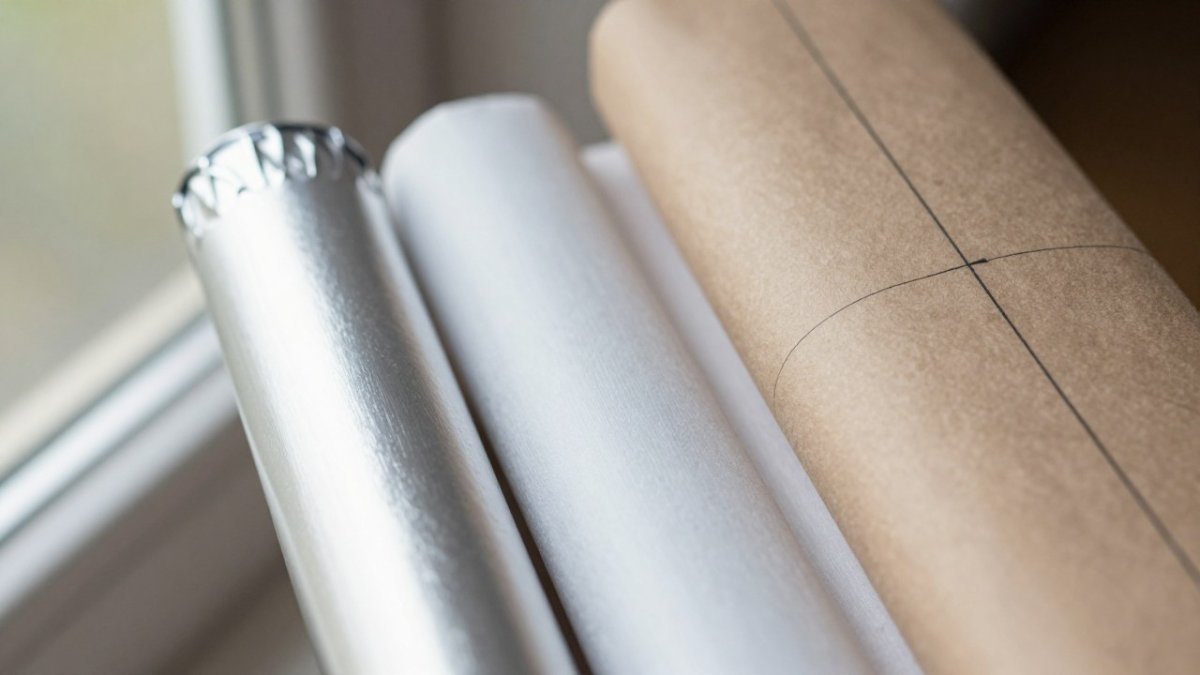
The wrapper type you're dealing with should decide how you open the pack, and each method carries its own trade-off.
| Method | Best for | Key risk or note |
|---|---|---|
| Tearing by hand | Thin single-layer foil packs | Tear line can jump toward the cards |
| Peeling the seam | Resealable or pressure-sealed edges | Thumbs work the seam, not the wrapper faces |
| Narrow cutting | Laminated or metallized wrappers | Stop once you cut into the card edge |
Setting Up a Clean, Dry Workspace and Gathering Supplies
A clean, dry workspace matters more than most people think. Oils from your skin and dust from the table can transfer onto card surfaces.
Wash your hands and dry them fully before you touch any pack. Lotion, sweat, and even a bit of moisture can leave marks on the cards.
Gather your supplies before you start:
- Penny sleeves
- Toploaders or semi-rigid holders
- A pair of small, sharp scissors
- A soft cloth for wiping the table
The Rip & Protect Bundle 200 Penny Sleeves, 200 Semi Rigid Card Savers ($32.00) gives you both sleeves and card savers in one set.

How to Open Card Pack Without Damage: The Step-by-Step Method
Follow the same steps each time. Routine is what keeps the process safe.
Inspect the Wrapper and Locate the Seams
Hold the pack face down and look at the seams. Find the top seam and the short-side seams, and note where the cards sit inside. Give the pack a gentle press to feel for the card edges. This tells you where the cards are without pulling on the wrapper.
Open the Top Seam Carefully
Hold the pack firmly, but do not squeeze the cards. Place your thumb and finger on the wrapper, away from the sealed edge. Tear slowly along the top seam, or make a narrow cut about a few millimeters from the edge if the wrapper is thick.
Keep the cut shallow. A deep cut can reach the cards and scratch the top one.
Rip & Protect Bundle 200 Penny Sleeves, 200 Semi Rigid Card Savers →
Slide the Cards Out Without Squeezing
Loosen the flap and enlarge the opening just enough to reach the cards. Tilt the pack so the cards slide out on their own. Avoid pinching the cards, because pressure on the edges causes bends and whitening.
Pokémon Booster Pack Card Trick and Opening Tips by Set
Pokémon packs have their own quirks. Each set uses a slightly different wrapper, and a few cards in a pack may be holo or foil. Foil surfaces scratch more easily, so handle them by the edges.
Keep these tips in mind for Pokémon sets:
- Check the pack for a visible seam before you start.
- Open over a flat surface, not a bed or couch.
- Slide each card into a sleeve right away.
Some collectors search for a "Pokémon booster pack card trick," but the safest method is still a slow, steady opening. Speed is what causes most damage.
MTG Booster Pack Card Order and How to Open One Piece Card Packs in Order
Magic: The Gathering packs are usually sorted in a set order, and some collectors like to keep that order when they open. Keep the cards in the order they come out.
One Piece Card packs follow a similar approach. Open them one at a time, and place each card face up in a row.
Whether you are opening MTG or One Piece packs, the steps stay the same: inspect, open carefully, and slide the cards out.
Handling Difficult Packs, High-Value Pulls, and Post-Opening Storage
Some packs resist a clean open, and forcing them is how cards get crushed. Treat a stubborn pack as a signal to change method, not to pull harder.
Troubleshooting a Pack That Won't Open
- Seam won't start tearing: Score a tiny starter nick with sharp scissors just inside the crimp, then tear from that nick instead of fighting the sealed edge.
- Slippery or coated wrapper: Dry your hands fully; moisture and lotion reduce grip and make you squeeze harder. A soft cloth on the table helps you steady the pack without pinching it.
- Wrapper tears toward the cards: Stop immediately. Widen the opening away from the card stack, or switch to a shallow cut on the opposite short edge.
- Accidental tear into the card zone: Do not pull the cards through the torn area. Open a second, clean opening at the far end and slide the cards out that way.
- Cards stuck to the wrapper: Static and tight crimps can hold cards against the seal. Tilt and tap gently so they fall free rather than dragging them across the crimp.
High-Value and Grading-Bound Pulls
When a pull might be worth grading, handling becomes the priority. Minimize contact: hold cards by the edges only, keep fingers off the surface, and avoid setting an unsleeved card down on any table.
Watch out: never slide an unsleeved card across a table or stack unsleeved cards together, because friction between surfaces causes fine scratches that are hard to see until they catch the light.
Post-Opening Handling and Storage
Sleeve each card as it comes out, in the order it was pulled, so you do not have to re-handle the stack later. Keep sleeved cards upright in a storage box, away from heat, direct sunlight, and humid rooms. For anything heading to a binder, use acid-free pages and avoid overstuffing pockets, which bends corners.
Protect Your Next Pulls: Build Your Pack-Opening Kit
A basic kit makes every opening safer. Start with enough sleeves and holders for the packs you plan to open. Having these on hand before you start helps:
- A bundle of penny sleeves and semi-rigid savers
- A supply of toploaders for standard-size cards
- A small, sharp pair of scissors
The Rookie Supply Pack - 100 Card Sleeves + 50 Toploaders ($13.75) includes 100 sleeves and 50 toploaders.

For larger collections, the All-Star Supply Pack - 200 Toploaders + 200 Penny Sleeves ($29.99) gives you a bigger stock of toploaders and sleeves.
Opening packs without damage is a habit you build over time. Start slow, keep your workspace clean, and sleeve every card as soon as it comes out.
Frequently Asked Questions
How do I open a Pokémon pack without damaging the cards?
Hold the pack by its edges, face down, and inspect the top seam for the factory crimp. Cut or tear a narrow strip along the top, keeping well away from the sealed edge where cards sit. Then loosen the flap and slide the cards out slowly rather than pulling them. Keeping your hands clean and dry and working on a flat surface prevents bends and surface scratches on the cards inside.
Can scissors damage cards inside a booster pack?
Yes, if you cut too deep or too close to the cards. Use a narrow cut only along the top or short-side seam, and keep the blade shallow, about the width of the wrapper's seal area. Stop before the blade reaches the card stack. Scissors work well for precise, controlled openings, but a slow, shallow cut is far safer than a fast one that can slice a card edge or corner.
Does the card trick change between Pokémon sets?
The general method stays the same across most Pokémon sets: find the seam, open it carefully, and slide the cards out. Wrapper construction can vary between sets and pack types, so the placement of seams and the sealed edge may differ. Check each pack before cutting, and adjust your opening point to avoid the sealed edge if the layout looks different from the last pack you opened.
How should you handle cards after opening a pack?
Remove cards by their edges and place them into penny sleeves immediately, then into toploaders or semi-rigid savers for storage or shipping. Keep sealed or opened wrappers if you want to preserve packaging. Store cards upright in a dry, temperature-stable location away from direct sunlight. Protecting cards quickly after opening limits surface wear, corner dings, and moisture exposure.
