


Table of Contents
- What You'll Need Before You Start
- Step 1: Sort and Organize Your Trading Card Collection
- Step 2: Sleeve Your Cards with the Best Penny Sleeves
- Step 3: Choose Between Toploaders vs Binders for Long-Term Storage
- Step 4: Store Cards in the Right Containers and Boxes
- Step 5: Control Your Storage Environment
- Budget-Friendly DIY Storage Hacks for Beginners
- Common Mistakes to Avoid When Storing Loose Trading Cards
- Frequently Asked Questions
Last Updated: September 26, 2026
What You'll Need Before You Start
Learning how to store loose trading cards for beginners starts with gathering the right supplies. You don't need to spend a fortune, but having the essentials on hand makes the process smooth and protects your collection from day one.
The core supplies for storing loose trading cards for beginners include penny sleeves, toploaders, binders with protective pages, and storage containers. These items work together to shield your cards from dust, bending, and moisture. Many collectors start with just a few of these and expand as their collection grows.
Here's what to have ready before you begin organizing:
- Penny sleeves, thin plastic sleeves that hold individual cards
- Toploaders, rigid plastic holders for cards you want extra protection on
- Card binders, albums with pages designed to hold sleeved cards
- Storage boxes, acid-free containers for long-term storage
- Dividers, separators to organize cards by set, player, or type
The [Cardboard Superstars Rip & Protect Bundle(https://shop.cardboardsuperstars.com/products/rip-protect-bundle-200-penny-sleeves-200-semi-rigid-card-savers) | cardboardsuperstars.com] includes 200 penny sleeves and 200 semi-rigid card savers, giving beginners everything needed to start protecting cards immediately after opening packs.

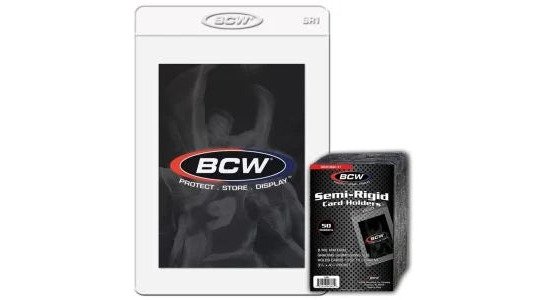
Having these supplies ready prevents you from damaging cards while you're still figuring out your system. Start simple. You can always add more specialized storage later.
Step 1: Sort and Organize Your Trading Card Collection
Before you sleeve anything, sort your cards. This is where most beginners skip ahead and regret it later. A few minutes spent organizing now saves hours of frustration later.
Start by sorting into broad categories. Group cards by set, player, sport, or type, whatever makes sense for your collection. If you're collecting Pokémon, sort by generation or card type. For sports cards, sort by team or player. The method matters less than being consistent.
Here's how to organize trading cards for beginners:
- Separate by set or series, keep cards from the same release together
- Sort by condition, pull out damaged or worn cards into a separate pile
- Identify key cards, flag rare, valuable, or favorite cards for special protection
- Group duplicates, stack multiple copies of the same card together
- Create a rough inventory, count how many cards you have in each category
Once sorted, you'll know exactly what you're protecting and can choose the right storage method for each group. Common cards might go in a binder. High-value cards deserve toploaders. Duplicates can be stored in bulk boxes.
Many collectors use a simple spreadsheet or note on their phone to track what they have. You don't need fancy inventory software yet, just knowing your collection size helps you pick the right containers.
Step 2: Sleeve Your Cards with the Best Penny Sleeves
Penny sleeves are your first line of defense. They're inexpensive, easy to use, and essential for long-term card storage. Every card should go into a penny sleeve before any other storage method.
Sleeving is simple but requires a gentle touch. Hold the card by its edges, never touch the face or back. Slide the card into the penny sleeve smoothly, making sure it sits flat at the bottom. Don't force it. If the card resists, you're angling it wrong.
The right technique for sleeving cards:
- Hold the card by opposite corners, grip only the edges, never the center
- Open the sleeve with your other hand, use your thumb to create an opening
- Slide the card in smoothly, let gravity help; don't push hard
- Check that the card sits flat, the card should rest at the bottom of the sleeve
- Repeat for every card, yes, even the commons
Penny sleeves prevent dust, scratches, and bending during handling.
Why Penny Sleeves Matter for Long-Term Storage
Penny sleeves aren't just for temporary protection. They're the foundation of long-term card preservation. A sleeved card stays cleaner, stays flat, and resists creasing far better than a naked card sitting in a box.
Step 3: Choose Between Toploaders vs Binders for Long-Term Storage
After sleeving, you need to decide how to store your cards. Most collectors use a combination: toploaders for special cards and binders for the rest. Understanding the difference helps you pick the right method for each card.
Here's when to use each:
Rip & Protect Bundle 200 Penny Sleeves →
- Use toploaders for: rare cards, valuable cards, cards you want to display, cards being shipped
- Use binders for: common cards, set completion, organizing by player or team, easy browsing
Using Toploaders for Individual Cards
Toploaders are the premium option for card protection. They keep a sleeved card rigid, preventing any bending or shifting. If a card matters to you, a toploder is worth the investment.
How to use toploaders for trading card storage:
- Sleeve the card first, always use a penny sleeve before the toploder
- Slide the sleeved card into the toploder, the card should fit snugly but not tight
- Make sure the card sits flat, no tilting or bunching inside
- Store toploaders upright or flat, either works, but upright saves space
- Keep them in a box or row box, toploaders stack neatly in storage containers
Using Binders and Protective Pages
Binders are ideal for organizing large collections and viewing cards without removing them. A sleeved card slides into a protective page, and multiple pages fit into the binder. You can flip through your entire collection in minutes.
How to organize cards in binders:
- Use 9-card pages, the standard format for most binders
- Insert sleeved cards into page slots, each slot holds one sleeved card
- Organize by set, player, or type, whatever system makes sense to you
- Fill pages evenly, don't cram cards in or leave them too loose
- Store binders upright on a shelf, they're designed for easy access
Step 4: Store Cards in the Right Containers and Boxes
Once your cards are sleeved and sorted, they need a home. The right container protects your collection from physical damage, dust, and environmental stress.
Choosing storage containers for trading cards:
- Row boxes, hold cards upright in rows, great for toploaders
- Storage boxes, flat boxes that hold sleeved cards or binders
- Card safes, lockable boxes for high-value collections
- Plastic bins, work for short-term storage but aren't archival quality
Step 5: Control Your Storage Environment
Your storage location matters as much as the containers you use. Cards are vulnerable to humidity swings, temperature changes, and light exposure. Controlling these factors prevents long-term damage.
Best practices for card storage environment:
- Keep cards away from sunlight, UV light fades card colors and damages printing
- Avoid damp areas, basements and attics fluctuate too much; use a climate-controlled room instead
- Don't store near heat sources, keep boxes away from radiators, heating vents, and direct sunlight
- Use a dehumidifier if needed, if your area is humid, active humidity control helps
- Check temperature stability, avoid storage locations with big daily or seasonal swings
Budget-Friendly DIY Storage Hacks for Beginners
You don't need to spend a lot to store loose trading cards for beginners effectively. Simple, creative solutions work just as well as expensive specialty products.
DIY storage ideas that work:
- Shoebox organizer, clean shoeboxes work for sorting and short-term storage if you're careful about moisture
- Dividers from scrap cardboard, cut cardboard to create row separators inside boxes
- Penny sleeves from bulk suppliers, buying in larger quantities lowers the per-sleeve cost
- Paper towel dividers, stack cards with paper towels between them to prevent shifting (not long-term, but works for organization)
- Label maker for organization, use a cheap label maker to tag boxes by set or player
Common Mistakes to Avoid When Storing Loose Trading Cards
Most beginner mistakes come from rushing or cutting corners. Knowing what to avoid saves your cards from preventable damage.
The biggest mistakes beginners make:
- Storing cards without sleeves, naked cards bend, crease, and get damaged in storage
- Using regular cardboard boxes, these contain acids that damage cards over time; use acid-free boxes only
- Stacking toploaders horizontally, this puts pressure on card corners; store upright or flat, not at angles
- Mixing different card types in one page, different card sizes don't fit the same page slots; sort by size first
- Storing in damp areas, basements and garages fluctuate too much; use a climate-controlled room
- Overstuffing containers, pressure bends cards at the edges; leave breathing room
- Ignoring humidity, high humidity causes warping; use dehumidifiers if needed
- Exposing cards to direct sunlight, UV light fades colors permanently; store in darkness
- Using rubber bands or tape, these stick to cards and cause damage; use sleeves and pages instead
Frequently Asked Questions
What is the best way to store trading cards to keep them fresh?
Use penny sleeves for immediate protection, then place sleeved cards in toploaders or acid-free binders. Store them in a cool, dry location with stable temperature (60-70°F) and humidity (40-50%). Avoid basements prone to moisture and attics with temperature swings. Keep cards away from direct sunlight and UV exposure. For high-value cards, consider graded slabs in storage boxes designed for long-term preservation.
Is it better to store cards in toploaders or binders?
Toploaders offer superior protection for individual cards and are ideal for high-value or frequently handled cards. They prevent card shifting and provide rigid support. Binders with 9-card pages work better for viewing collections and organizing larger sets. For long-term storage of bulk cards, toploaders in storage boxes provide better archival quality. Choose based on your priority: display and access (binders) or maximum protection (toploaders).
What supplies do beginners need to start storing cards?
Start with penny sleeves for basic protection, toploaders for individual cards, and acid-free storage boxes. The Rookie Supply Pack includes 100 card sleeves and 50 toploaders for $13.75, making it an affordable entry point. Add a binder with protective pages if you want to display your collection. For growing collections, the All-Star Supply Pack provides 200 toploaders and 200 penny sleeves for $29.99, giving you flexibility as your hobby expands.
How do you prevent trading cards from warping?
Warping occurs from humidity fluctuations and improper storage. Use rigid toploaders or semi-rigid card savers to prevent bending. Store cards flat in storage boxes rather than stacking them vertically. Maintain consistent humidity between 40-50% and avoid damp environments like basements. Use shrink wrap or bubble wrap for shipping or temporary storage. The Rip & Protect Bundle includes semi-rigid card savers specifically designed to prevent warping during storage and shipping.